Sanguinaria canadensis
Sanguinaria from Latin sanguis (blood), referring to the bright red-orange sap from the rhizome. canadensis meaning 'of Canada,' where the species was first described.
Bloodroot
Papaveraceae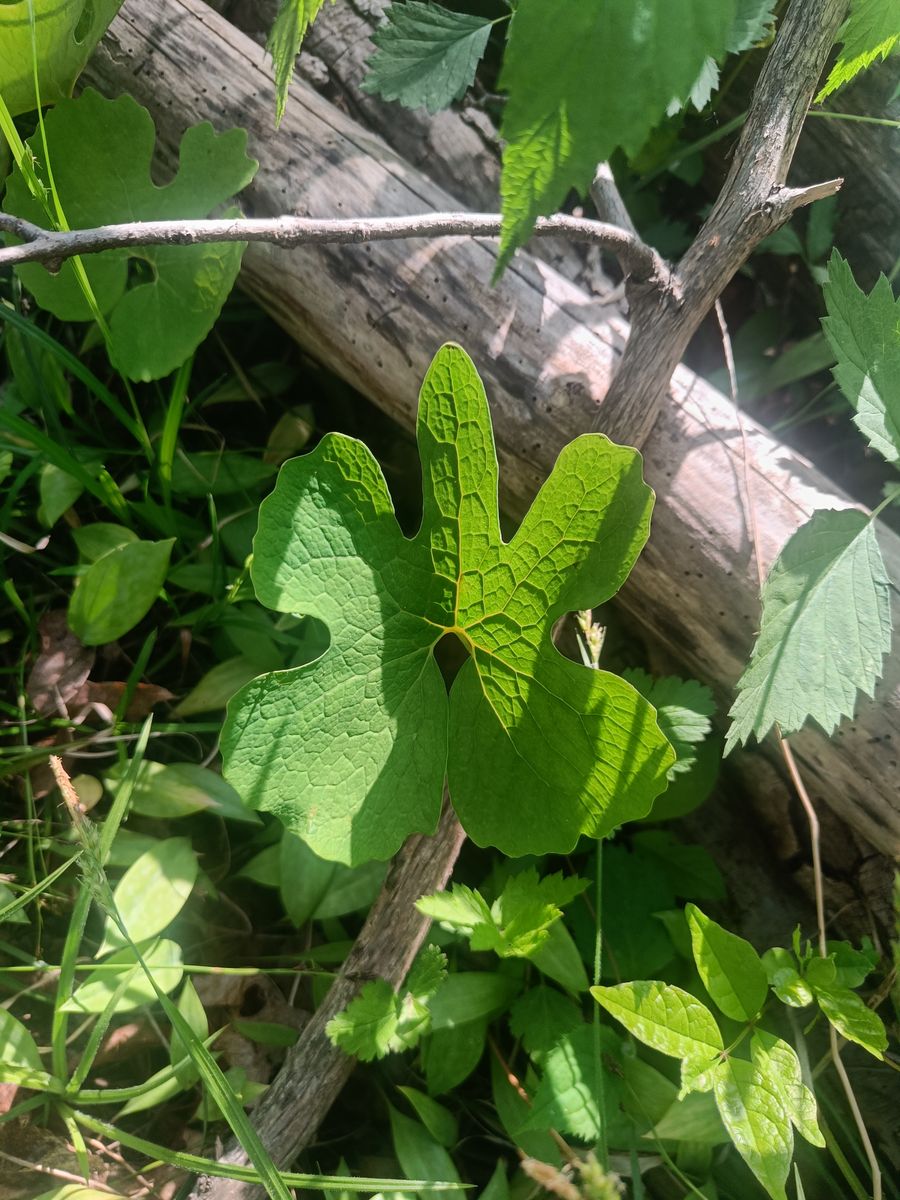
Distinguishing Features
- Bright white flower with 8–12 petals and a golden-yellow center of stamens
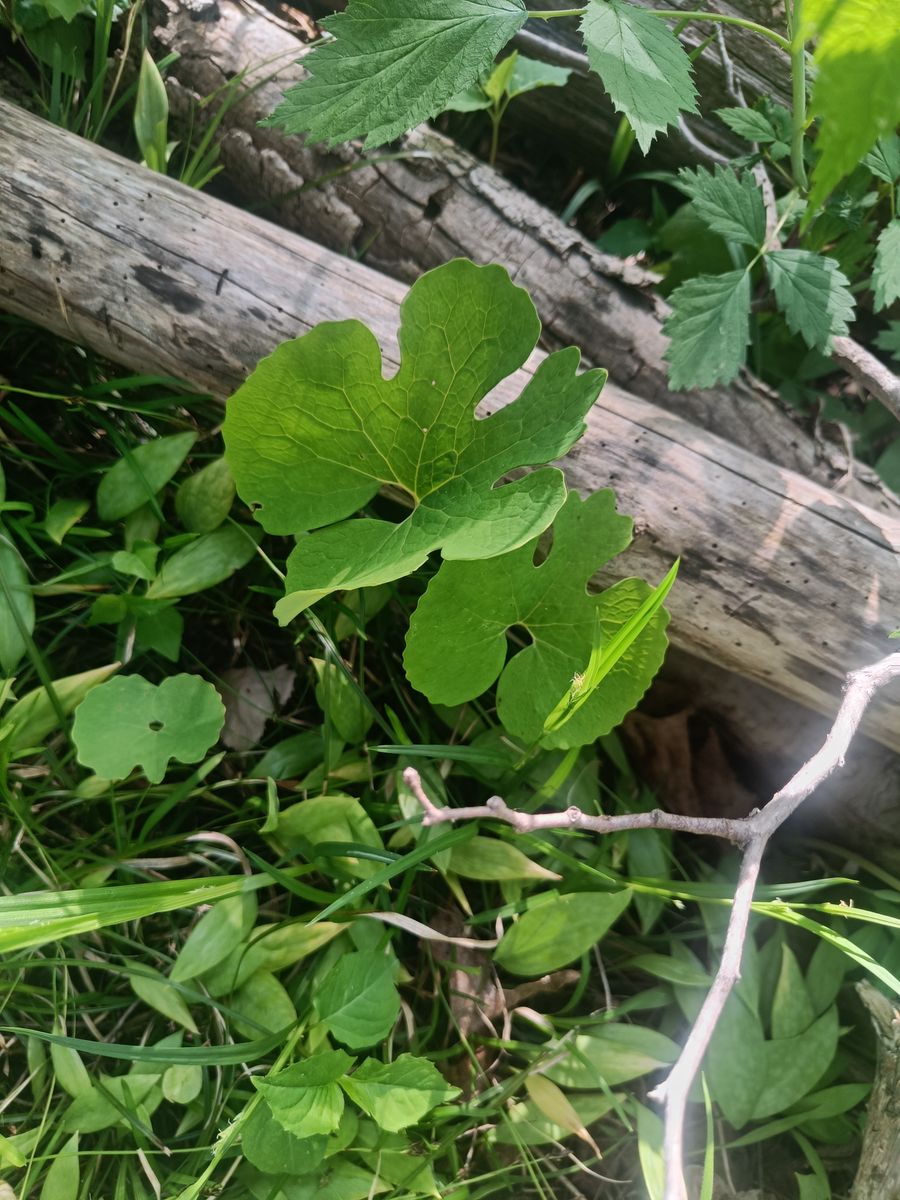
- Single basal leaf, deeply palmately lobed (5–9 lobes), grey-green with prominent veins
- Leaf wraps around the flower stalk as it emerges in early spring
- Thick rhizome exudes bright red-orange sap when cut — unmistakable diagnostic feature
- Spring ephemeral — flowers appear before the canopy leafs out, individual flowers last only 1–2 days
- Fruit is an elongated capsule with reddish-brown seeds bearing elaiosomes (ant-dispersed)
Habitat
Rich, moist deciduous forests and floodplains; often on slopes with calcareous or circumneutral soils. Found in mesic maple-beech and mixed hardwood forests.
Notes
Only species in the genus Sanguinaria. The blood-red sap (sanguinarine alkaloid) is toxic and was used historically as a dye and in traditional medicine. Seeds are dispersed by ants (myrmecochory). A beloved spring ephemeral — one of the earliest woodland wildflowers to bloom.