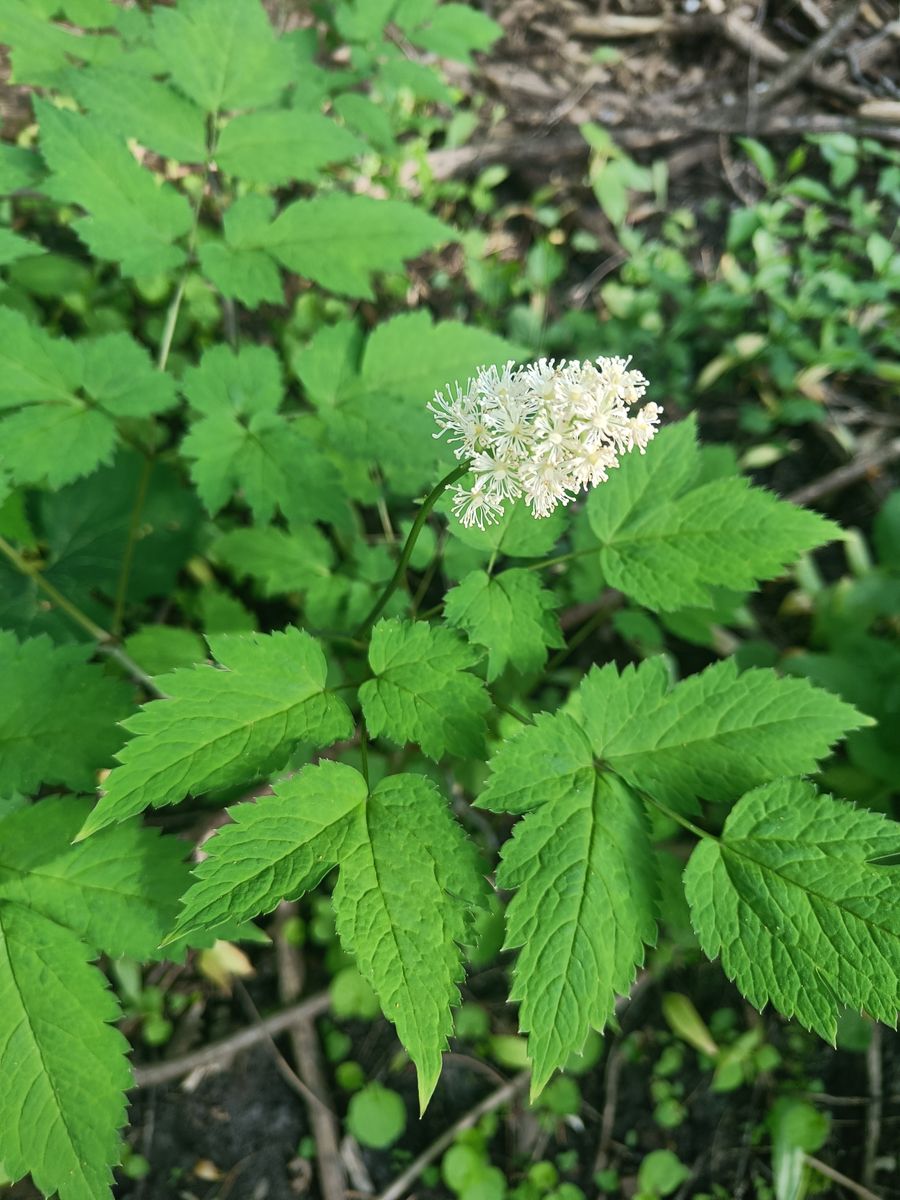
Ranunculaceae
Buttercup Family
Order: Ranunculales ~62 genera, ~2,500 speciesDefining Characteristics
- Mostly herbaceous (some woody vines), often with divided or dissected leaves
- Flowers with numerous free stamens and free (apocarpous) carpels — a primitive trait
- Petals and sepals free and variable in number; petals sometimes absent or modified into nectaries
- Fruit typically an achene (single-seeded, dry) or follicle (many-seeded, dehiscent)
- Many species contain toxic protoanemonin (from ranunculin glycoside), causing skin and gastrointestinal irritation
- Often with palmate or ternately compound leaves
Notable Genera
- Ranunculus (buttercup, spearwort)
- Anemone (anemone, windflower)
- Clematis (clematis, virgin's bower)
- Delphinium (larkspur, delphinium)
- Aquilegia (columbine)
- Actaea (baneberry)
- Helleborus (hellebore)
- Aconitum (monkshood)
Notes
Primarily temperate and boreal in distribution. Aconitum (monkshood) contains aconitine, one of the most toxic plant alkaloids. Aquilegia and Helleborus are important ornamental genera. Many species are important early-season pollinator resources. Clematis includes many popular climbing garden vines.